
Custom Metal Enclosures: A Complete Project Guide
If you've ever specified an enclosure for a control panel, an outdoor sensor package, or a piece of production equipment, you already know the frustration of trying to make an off-the-shelf box fit a job it was never designed for. You end up drilling extra holes, adding brackets, sealing gaps that shouldn't be there, and hoping the finish holds up outside for more than a season.
Custom metal enclosures solve that problem by starting with your actual requirements instead of a catalog size. This guide walks through why custom enclosures matter, what to think about before you design one, which materials make sense for different environments, and where fabrication projects tend to go wrong.
Why Custom Metal Enclosures Matter for Your Application
Standard enclosures are built to be generic. That's the point — they're mass-produced to fit a wide range of uses reasonably well. The trade-off is that "reasonably well" often means compromises on cutouts, mounting points, ventilation, cable entry, or overall footprint.
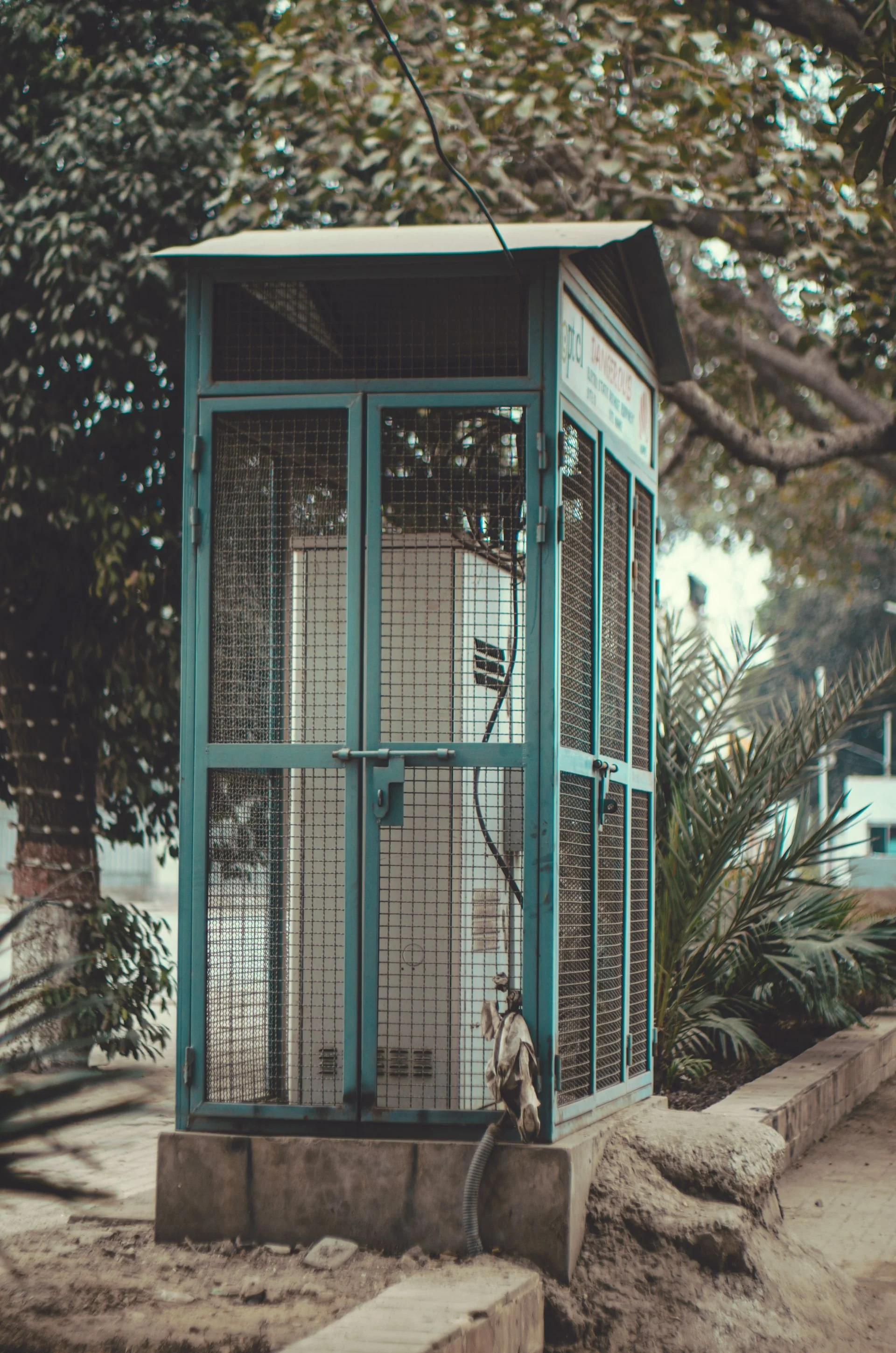
A custom metal enclosure is built around the equipment it's protecting, not the other way around. That matters most when:
Space is tight. Custom enclosures can be sized to fit a specific panel, machine skid, or vehicle compartment without wasted volume.
The environment is harsh. Washdown areas, outdoor installations, and high-vibration equipment all need enclosures built for that specific exposure, not a generic IP rating.
Integration matters. Mounting bosses, hinge locations, cable glands, and access panels can be positioned exactly where they're needed instead of retrofitted.
Branding or identification is required. Powder-coated finishes, laser-etched labels, and consistent panel sizing across a product line are much easier to control with custom-built enclosures.
None of this means off-the-shelf enclosures are a bad choice — for low-volume, non-critical applications, they're often the faster and cheaper option. Custom fabrication earns its cost when the application has specific mechanical, environmental, or aesthetic requirements that a standard box can't meet.
Key Design Considerations for Custom Metal Enclosures
Good enclosure design starts well before anything hits a laser table. A few decisions made early save real money and time later.
1. Internal Component Layout First
Design the enclosure around what's going inside it, not the other way around. Map out:
Component footprints and heights, including wire bend radius
Heat-generating components that need clearance or airflow
Access needed for maintenance versus components that are set-and-forget
Skipping this step is one of the most common causes of enclosure redesigns — a control relay or transformer gets added late, and suddenly there's no room to close the door.
2. Environmental Exposure
Where the enclosure lives determines almost everything else about how it's built:
Indoor, climate-controlled — Minimal sealing requirements, more finish and material flexibility.
Outdoor — Needs weatherproofing, drainage consideration, and a finish that resists UV and moisture.
Washdown or food-grade — Typically calls for stainless steel with continuous welds and no crevices where contaminants can collect.
Corrosive or chemical exposure — May require specific stainless grades or protective coatings beyond standard paint.
3. Access and Serviceability
Think about who opens this enclosure and how often. A panel that gets serviced weekly needs a different hinge and latch setup than one that's opened once a year. Common options include:
Hinged doors with quarter-turn or key latches
Removable panels for less frequent access
Cable glands and knockouts sized for the actual conduit or cordage being used
4. Ventilation and Thermal Management
Sealed enclosures trap heat. If there's any heat-generating equipment inside — drives, transformers, power supplies — you need a plan for getting that heat out, whether that's passive vents, filtered fans, or in some cases a heat exchanger. Underestimating heat load is a common reason enclosures fail early, not the metal itself.
5. Mounting and Structural Requirements
How will the enclosure be mounted, and what loads will it see? A wall-mounted panel box has very different structural needs than an enclosure bolted to a vibrating piece of mobile equipment. Vibration-prone applications often need heavier gauge material and additional bracing that a standard enclosure design wouldn't include.
Material Options for Metal Enclosures (Steel, Aluminum, Stainless)
Material choice affects cost, weight, durability, and finish options more than almost any other decision in the design. Here's how the three most common options compare.
| Material | Strengths | Trade-offs | Typical Applications |
|---|---|---|---|
| Mild Steel | Cost-effective, strong, easy to weld and form | Needs coating or paint to resist corrosion | Indoor control panels, machine guarding, general industrial enclosures |
| Aluminum | Lightweight, naturally corrosion-resistant, good for mobile applications | Higher cost than mild steel, different welding process required | Mobile equipment, portable enclosures, weight-sensitive applications |
| Stainless Steel | Excellent corrosion resistance, cleanable, strong | Highest material cost, slower to machine and weld | Food processing, washdown environments, outdoor or chemical exposure |
A Few Practical Notes on Material Selection
Mild steel is usually the right default for indoor, non-corrosive environments. It's readily available, welds easily, and takes a powder coat finish well. The catch is that any exposed edge or scratch through the coating becomes a rust point over time, so finish quality matters more with steel than with stainless.
Aluminum makes sense when weight is a real constraint — enclosures mounted on mobile equipment, portable test carts, or anything where a technician has to lift or move it regularly. It's worth noting that aluminum welding requires different equipment and technique than steel, and not every shop runs both processes at the same skill level, so it's worth asking about a fabricator's specific aluminum welding experience rather than assuming it's interchangeable with steel work.
Stainless steel earns its higher cost in washdown, food-grade, or chemically exposed environments. For everything else, it's often an unnecessary expense — the corrosion resistance goes to waste if the enclosure is sitting in a climate-controlled building.
A quick misconception worth clearing up: stainless steel isn't inherently "stronger" than mild steel — the two behave differently under load depending on grade and gauge. Stainless is chosen for corrosion resistance and cleanability, not raw strength. Choosing it purely because it "seems more durable" often means paying more for a benefit the application doesn't need.
Common Industry Applications for Custom Enclosures
Custom enclosures show up across a wide range of industries, each with its own priorities:
Automotive — Control panels for production equipment, tooling enclosures, and protective housings for line-side electronics that need to withstand vibration and daily handling.
Oil and gas — Enclosures built for outdoor exposure, temperature swings, and in some cases hazardous location requirements.
Construction — Job-site power distribution boxes, tool storage, and equipment protection built to handle rough handling and weather.
Mining — Heavy-duty enclosures for control systems exposed to dust, vibration, and impact, often requiring reinforced construction well beyond standard gauge material.
Food and beverage processing — Stainless enclosures designed for regular washdown, with continuous welds and sloped surfaces that don't collect debris.
The common thread across all of these is that the enclosure has to match the actual working conditions of the facility — not a generic "industrial" rating.
The Custom Enclosure Fabrication Process, Step by Step
Understanding the general workflow helps set realistic expectations for timelines and where delays typically creep in.
Step 1: Requirements and Concept Review
This is where component layout, environmental exposure, material, and finish requirements get discussed. The more complete the information at this stage — even rough sketches or component data sheets — the smoother everything downstream goes.
Step 2: Design and Modeling
Enclosures are typically modeled in CAD (commonly SolidWorks) to confirm fit, clearances, and manufacturability before any material is cut. This is also the stage where design-for-manufacturability adjustments happen — things like bend reliefs, hole placement relative to bends, and weld access.
Step 3: Cutting
Flat patterns are cut from sheet stock, most commonly using laser or plasma cutting.
| Method | Best For | Considerations |
|---|---|---|
| Laser Cutting | Precision cuts, tight tolerances, thinner to medium gauge material | Slower on very thick material, higher cost per cut on heavy plate |
| Plasma Cutting | Thicker plate, faster cutting on heavy material | Wider kerf, less precision than laser on fine detail |
Choosing the right method depends on material thickness and tolerance requirements — it's not a matter of one method being universally better.
Step 4: Forming
Flat parts are bent, folded, or formed into the enclosure's shape using press brakes. This step is where bend allowances and material spring-back get accounted for — details that matter more on thicker or harder materials.
Step 5: Welding and Assembly
Panels, corners, and mounting features are welded together. Weld quality and consistency here directly affect both structural integrity and how well the enclosure will take a finish later — poor weld prep or excessive heat distortion causes problems down the line.
Step 6: Finishing
Surface prep, painting, powder coating, or other finishes are applied based on the environment the enclosure will operate in. Outdoor and washdown applications need finish specifications matched to that exposure, not a standard indoor coating.
Step 7: Quality Check and Delivery
Dimensional checks, fit verification against provided drawings or samples, and final inspection before the enclosure ships or gets delivered.
Common Mistakes to Avoid When Specifying an Enclosure
A few recurring issues account for most of the delays and rework seen on enclosure projects:
Incomplete component information. Sending a rough size estimate instead of actual component dimensions leads to enclosures that don't fit once real hardware arrives.
Ignoring thermal load. Adding heat-generating components after the design is finalized, without revisiting ventilation.
Choosing material based on cost alone. The cheapest material option can cost more over the life of the equipment if it's the wrong choice for the environment — replacing a corroded mild steel enclosure in a washdown area, for example, often costs more than specifying stainless up front.
Underestimating lead time on custom finishes. Specialty colors, textured powder coats, or specific stainless finishes can add lead time that isn't accounted for in the project schedule.
Skipping the design review step. Jumping straight from a rough sketch to fabrication, without a CAD review, often means catching fit issues after material is already cut rather than before.
Not accounting for future access needs. Designing an enclosure that's sealed and secure but nearly impossible to service later creates ongoing maintenance headaches.
Most of these are avoidable with a short design review conversation before cutting starts — it's a small amount of time that prevents much larger delays later.
Custom Metal Enclosure Fabrication at BSG
BSG has been fabricating custom metal products since 1987, working across automotive, oil and gas, construction, and mining applications where enclosures need to hold up to real working conditions, not just look good on a spec sheet. Our design and prototyping team works in SolidWorks to confirm fit and manufacturability before anything gets cut, and our laser cutting, plasma cutting, forming, and welding capabilities — backed by CWB and AWS certified welding — are handled in-house at our Kitchener facility.
If you're working through material selection, environmental requirements, or design details for a custom enclosure project, we're glad to walk through the specifics with you.
Frequently Asked Questions
What's the difference between a custom enclosure and a modified standard enclosure?
A custom enclosure is designed and built from the ground up around your specific components and requirements. A modified standard enclosure starts as an off-the-shelf unit that gets cutouts, mounting holes, or other changes added afterward. Custom builds usually offer better fit and finish; modified standard units can be faster and cheaper for simple, low-volume needs.
How do I know if I need steel, aluminum, or stainless steel?
It comes down to environment and weight requirements. Choose mild steel for indoor, non-corrosive settings where cost matters most. Choose aluminum when weight is a real factor, such as mobile or portable equipment. Choose stainless steel for washdown, food-grade, or corrosive environments where cleanability and corrosion resistance are priorities.
What tolerances are realistic for a custom metal enclosure?
Tolerances depend on the cutting and forming methods used, material thickness, and part complexity. Laser-cut parts generally hold tighter tolerances than plasma-cut parts, especially on thinner material. It's best to discuss tolerance requirements with your fabricator early, since overly tight tolerances on non-critical dimensions can add unnecessary cost.
How long does it typically take to fabricate a custom enclosure?
Lead time varies based on complexity, material availability, and finish requirements. Simple enclosures with standard finishes move faster than projects requiring specialty coatings or stainless steel with continuous welds. Providing complete specifications up front — component data, environmental requirements, and finish preferences — helps keep the timeline predictable.
Does powder coating hold up better than paint for outdoor enclosures?
Powder coating generally offers better durability and UV resistance than standard wet paint, which is why it's a common choice for outdoor and industrial enclosures. That said, surface prep matters as much as the coating itself — a poorly prepped surface will fail regardless of which finish is applied over it.
Can I get a custom enclosure made from material I already have?
Many fabrication shops can work with customer-supplied material, though it's worth confirming this up front since it can affect quoting, scheduling, and liability if material defects surface during fabrication.