
When to Choose Custom Equipment Fabrication Over Off-the-Shelf Equipment
Key Takeaways
Off-the-shelf equipment works best for standard processes, tight budgets, and quick deployment needs
Custom fabrication provides competitive advantages for specialized requirements and unique operational constraints
Industries like automotive, construction, and manufacturing consistently benefit from custom fabrication solutions
Total cost of ownership includes energy consumption, maintenance, and spare parts availability over the equipment's lifetime
The right decision balances immediate needs with long-term strategic goals
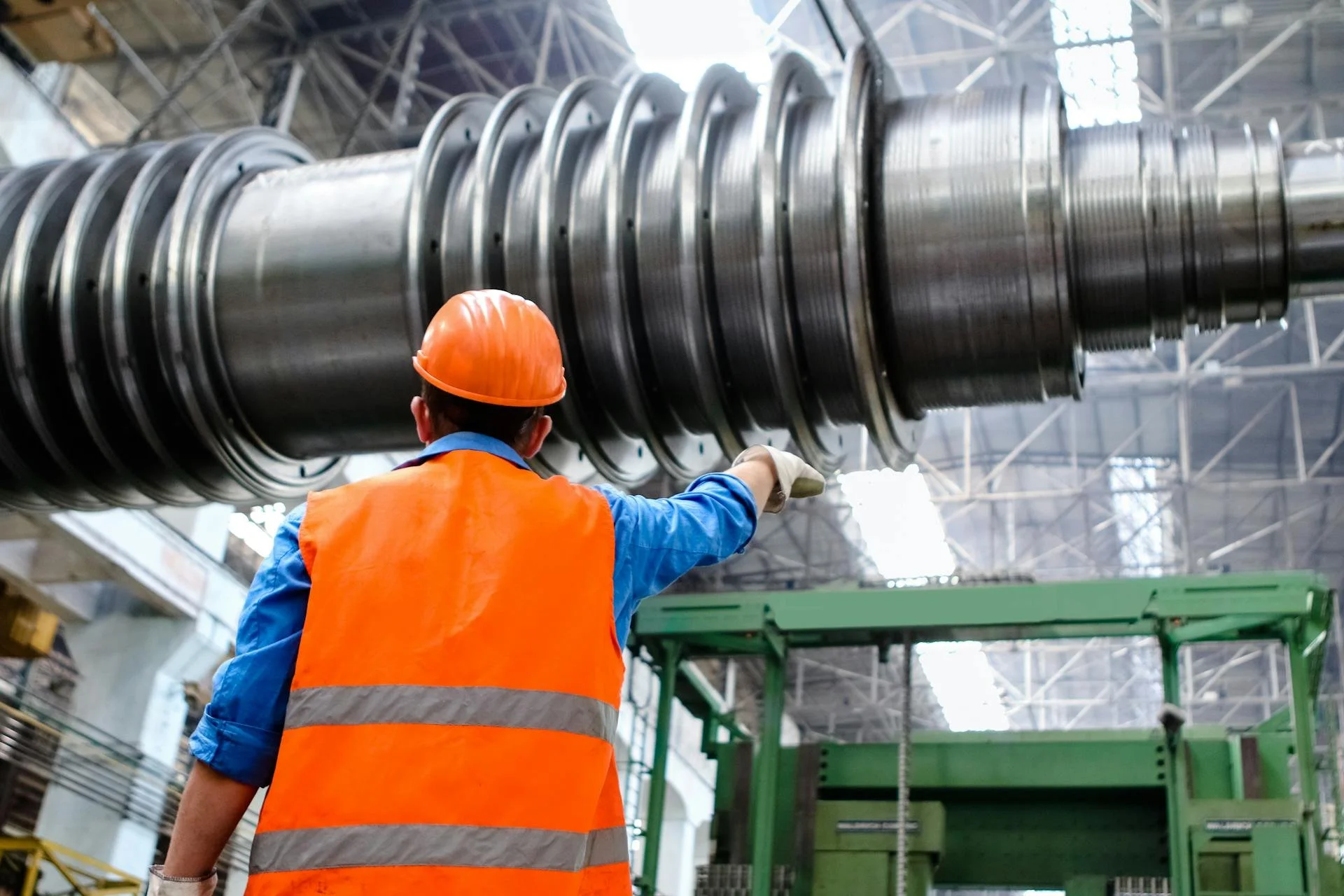
What Is Off-the-Shelf Equipment vs. Custom Equipment Fabrication?
Off-the-Shelf Equipment
Off-the-shelf equipment refers to standardized machines and systems that manufacturers produce in bulk. They’re ready to buy and typically available for immediate delivery.
Common examples of “off-the-shelf equipment” would be conveyor belts, common welding equipment, and basic manufacturing presses.
Pros & Cons
Pros
Lower upfront costs: With off-the-shelf equipment, the initial design, engineering, and tooling costs are paid for by the manufacturer.
Immediate availability: Off-the-shelf equipment is available with short lead times, which reduces downtime.
Reliability: Off-the-shelf machines will have established performance records and known maintenance requirements.
Cons
Limited customization: Off-the-shelf equipment is designed to meet general use cases. Since they aren’t tailored, you may have to adapt your processes and workflow to the machine.
May not fit specific needs: Off-the-shelf equipment can lack certain features, tolerances, or performance standards required for specialized applications.
Potential overengineering: Off-the-shelf machines can include features or capabilities that are unnecessary for the intended application. Core functions are frequently left underutilized.
Replacement parts may not always be available: If the manufacturer discontinues a model or changes suppliers, replacement parts may become difficult or expensive to obtain. This results in extended downtime and forces you to replace equipment prematurely if a replacement part can’t be found.
Custom Fabrication
Custom equipment fabrication involves designing and building equipment around your unique operational requirements. This approach tailors the equipment to exact specifications, space constraints, and performance needs.
The ability to customize equipment for specific production needs and adapt to changing product designs or volumes becomes increasingly important as manufacturing demands grow more complex. Custom solutions require longer development timelines but deliver precisely what your operations require.
Pros & Cons
Pros
Tailored to exact requirements: Custom-fabricated equipment is designed specifically around your operational needs. This means that instead of having to alter your process, the equipment is designed to work inside your existing workflow and space constraints.
Greater flexibility and adaptability: Custom solutions can be engineered to accommodate future changes in product design, production volume, or process improvements.
Optimized performance and efficiency: Because the system is completely customized, unnecessary features are eliminated and critical functions are prioritized. This can lead to higher efficiency, improved throughput, better quality control, and reduced waste compared to off-the-shelf equipment.
Competitive advantage: Custom equipment fabrication can support unique capabilities that are not available with off-the-shelf solutions. Since it isn’t widely-available, custom equipment allows your organization to differentiate itself from competitors.
Cons
Higher upfront costs: Custom equipment fabrication requires a greater initial investment, as organizations must account for engineering, design, prototyping, and testing costs.
Longer development and lead times: Designing, building, and validating custom equipment takes time. Longer timelines can delay deployment and may impact project schedules or production ramp-ups.
Specialized maintenance and support: Maintenance guidelines are not as readily available with custom-built equipment, which can make maintenance and repairs more difficult. You may need to depend on the manufacturer for assistance with maintenance.
Replacement parts: Since custom equipment isn’t mass-produced, if replacement parts are needed, they will need to be recommissioned.
When Custom Fabrication Is the Better Choice
Custom equipment fabrication becomes essential when standard solutions can't meet your specific operational demands or when equipment needs to provide competitive advantages. Here are some scenarios where custom equipment would be the best fit:
Specialized Projects Where Customization Is Necessary
Unique product requirements, proprietary manufacturing processes, and integration with existing custom systems demand tailored solutions.
For example, BSG's custom material handling equipment benefits automotive clients because it's tailored exactly to their specialized requirements, with key features being determined by the client. Standard material handling equipment is designed for wide usage, and cannot adequately address every organization's needs while fitting into existing workflows.
Projects with Unusual Physical Space Limitations
Some organizations operate in small facilities that don’t have the capacity for standard off-the-shelf equipment sizes. Oddly-shaped production areas, integration around existing equipment, and multi-level or vertical spaces require custom-designed solutions that fit exact specifications.
Extreme Environmental Conditions
Standard off-the-shelf equipment isn’t built for high radiation environments, corrosive material handling, extreme temperature requirements, or industrial environments. Custom fabrication ensures equipment performs reliably under whatever conditions the client needs.
Long-Term Investment Strategy
While custom equipment involves a higher upfront cost, it’s also a long-term investment that benefits organizations for years to come. Custom equipment is built to sustain higher production volumes, be more adaptable, and run for longer periods.
Our fabricators make an effort to find long-lasting, durable materials and follow trusted engineering practices to ensure equipment won’t go down prematurely or malfunction easily. Overtime, this results in reduced downtime and higher efficiency.
Additionally, custom equipment can be scalable and/or upgradeable to accommodate future production increases.
Replacing Equipment or Parts No Longer Available Off-the-Shelf
Sometimes, off-the-shelf equipment will be discontinued by the manufacturer. Additionally, an old equipment design might be outdated and in need of an upgrade to meet modern demands. The same goes for malfunctioning parts needing to be replaced.
For these cases, custom fabrication helps organizations maintain operational continuity while improving performance.
Why Choose BSG for Your Custom Equipment Fabrication Needs
BSG Inc has spent over 35 years perfecting custom metal fabrication, combining advanced technology with proven expertise. Our comprehensive approach ensures projects succeed from initial design through final delivery.
We deliver high-quality custom solutions to industries such as the manufacturing sector, the automotive industry, the mining industry, the construction industry, and even agriculture. Our proven methodologies and commitment to quality is why we’re trusted by companies across Southwestern Ontario, particularly Kitchener-Waterloo, for their custom fabrication needs.
Here are a few reasons why so many people choose BSG for their custom fabrication projects:
Proven Industry Experience: Established in 1987, BSG has built a strong industry reputation through long-term client relationships and consistent delivery of quality, service, and value.
End-to-End Manufacturing Capabilities: Complete project execution from design through fabrication, finishing, and assembly using advanced 3D design tools (SolidWorks, AutoDesk).
Advanced Fabrication Technologies
Laser, plasma, and shear cutting for precise results
CNC machining, bending, and forming for complex components
CMM inspection for high-tolerance quality assurance
Certified Quality & Safety Standards: We practice industry-standard welding techniques, certified by industry organizations like CWB and AWS. All of our custom fabrication is supported by rigorous quality control processes to ensure precision, safety, and reliability.
Custom Equipment Design & Prototyping: We are capable of rapid prototyping with our 3D printing capabilities. We are also experienced in the fabrication of custom machinery and manufacturing equipment.
Customer-Focused Service Model: Free estimates and consultation, custom quote-based pricing, pickup and delivery services, and a long-term partnership approach.
Talk to our team about your custom equipment requirements and get a free quote today!
When Off-the-Shelf Equipment Makes More Sense
Off-the-shelf equipment works best when your needs align with standard industry practices while prioritizing speed of deployment and lower costs. Here are six common scenarios where off-the-shelf equipment would be the right choice:
For Standard, Non-Specialized Needs
When your requirements match common manufacturing processes like basic cutting or standard assembly operations, off-the-shelf solutions will provide everything you need. If existing equipment already meets 90% or more of your requirements without modification, standard options deliver excellent value.
When Deployment Needs to Be Quick
If extended downtime needs to be avoided at all costs, off-the-shelf equipment offers speed of deployment that custom solutions can’t always match.
When Prioritizing Less Maintenance Time
For organizations wanting simplified maintenance, off-the-shelf equipment will have established service networks, readily available spare parts, and proven maintenance procedures.
Tight Budget Constraints
Lower initial investment requirements and predictable costs with no development fees make standard equipment the practical choice when budgets are limited.
One-Time or Non-Recurring Projects
If the equipment is needed for a short-term project, pilot program, trial, or temporary application, it might not be worth it to invest in highly-customized equipment.
If off-the-shelf equipment is able to meet the project’s production requirements, it’s often more cost-effective to go that route. Custom equipment is a better investment when it’s intended for long-term, consistent use.
Industries That Benefit Most From Custom Fabrication
Construction Manufacturing: Custom-fabricated equipment such as structural steel handling systems, welding and assembly fixtures, lifting frames, and temporary support equipment designed for unique construction components.
General Manufacturing: Purpose-built material handling equipment, custom machinery for proprietary production processes, automation integration hardware, and prototype equipment for new product development.
Automotive Manufacturing: Custom robot mounting bases, assembly fixtures, dollies, racks, conveyor interfaces, and specialized handling equipment tailored to specific vehicle platforms and assembly line layouts.
Agricultural Manufacturing: Custom-fabricated production and handling equipment for agricultural products, including assembly fixtures, processing line components, livestock equipment, and specialized manufacturing support systems.