
How Do I Choose a Fabrication Service for Small-Batch Production?
Small-batch fabrication is a great option for Ontario businesses that need custom parts but can’t commit to costly mass production. Many businesses choose small-batch production when designs are still in prototype, demand is uncertain, and precision matters more than quantity.
Choosing the right fabrication service for your small-batch production can save time, reduce costs, and prevent costly mistakes down the road.
Whether you’re developing a new product, replacing specialized parts, or producing a limited run, understanding how small-batch fabrication works will help you choose the right partner for your project.
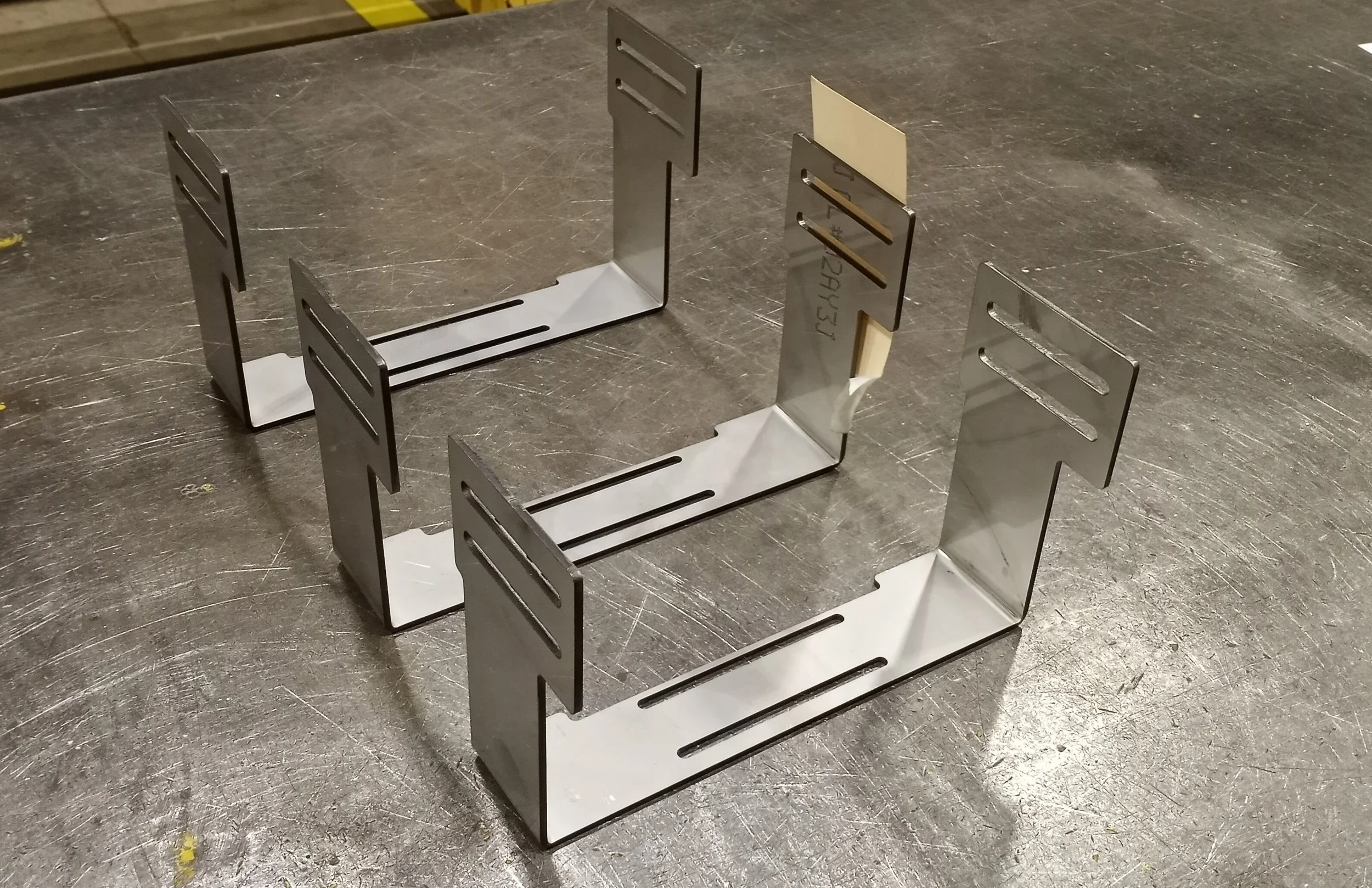
How Is Small-Batch Production Different From Mass Production?
Small-Batch Production
Small-batch production involves fabricating a set number of parts, with no plans for continuous manufacturing. Small-batches can be as small as a single unit or as large as a couple hundred parts.
Small-batch production is typically utilized for prototyping, product testing, custom applications, or niche productions where high demand isn’t expected.
Mass Production
Mass production is designed for thousands or even millions of identical parts. Production is often continuous.
In mass production, the cost per unit is considerably lower. However, it's also far less flexible and customized.
Mass productions often require a high upfront investment.
Key Differences
The biggest differences between small-batch and mass production come down to flexibility, timing, and risk.
Small-batch production allows for design changes as the project moves forward. If a part needs to be adjusted after testing, revisions can often be made without starting from scratch. Lead times are often shorter because tooling and setup are simpler. While the cost per unit is higher, the overall investment is lower, making it a safer option when demand is uncertain or designs are still being refined.
Mass production offers efficiency at scale, but it requires finalized designs, longer setup times, and a higher upfront financial commitment.
For many businesses, especially startups or companies launching new products, small-batch fabrication is the more practical choice.
What Types of Projects Fall Under Small-Batch Production?
Common examples of small-batch productions include:
Prototypes or MVPs to test fit, function, or performance
Custom or limited-edition products
Specialized equipment or replacement parts
The industries best known for small-batch production include the automotive industry for prototyping, brackets, mounts, or custom tools, Consumer goods for early product launches, and manufacturing companies who are over-capacity but need help producing small/specialized parts.
Best Fabrication Methods for Small-Batch Fabrication Services
CNC machining is frequently used for small-batch productions of functional small parts, brackets, housings, and mechanical components.
Pros
Precise and repeatable
No room for human error
Great for tight tolerances
Cons
Setup costs can be higher (especially for complex jobs)
Not the best choice for complex shapes
3D printing can produce designs quickly and accurately with minimal setup. It’s most often used in small-batch production for prototyping and testing. It enables production teams to test multiple iterations to determine the most effective design.
Pros
Works well with complex shapes
Perfect for early-stage designs and testing
Better for single-unit manufacturing
Cons
Material options are limited
Not great for larger batches, easy to go over-capacity
Injection molding can be a strong option for small batches of plastic parts once a design is finalized. It produces consistent, high-quality components and is well suited for slightly larger runs.
Pros
Consistent and high-quality results
Very cost-effective for larger small-batch production runs
Cons
Tooling costs
Not as cost-effective for smaller batches or single-unit manufacturing
Sheet metal fabrication is the most common method for fabricating panels, frames, enclosures, and other structural components. For sheet metal, we’d usually utilize our high-speed laser cutting machine for consistency and efficiency.
Pros
Strong, durable, and versatile
Consistent and efficient
Cons
Not ideal for highly detailed or intricate designs
See a fabrication method you might be interested in? Click here to get an estimate!
Cost Considerations for Small-Batch Fabrication
Small-batch fabrication is typically higher in per unit costs than mass production. Despite this, the overall cost by the end of the project will be much lower in a small-batch production run.
Small-batch fabrication has a much lower financial risk. It can be considered a lower cost alternative to mass production manufacturing.
Small-Batch Fabrication Cost Factors
Material selection: The price of the materials will contribute to the overall cost. Choosing a less-expensive material can help lower costs, as long as the material is still suitable for its intended application.
Design complexity: The more complex a design is, the longer setup, tooling, and fabrication takes.
Revisions: Working with prototypes to test and refine the design is common, but more revisions does mean more money is being spent. Prototyping, or single-unit manufacturing, is often the most cost-effective way to test and refine designs.
Urgency: Rush orders may necessitate a higher price point, especially if the deadline is very close. It’s important to outsource fabrication work ahead of time when needed to avoid an upcharge.
Key Factors to Consider When Choosing a Small-Batch Fabrication Service
Proven quality and consistency: Look for a fabrication service that can demonstrate consistent results across multiple projects. This may include certifications, documented quality processes, or sample parts from previous work. At BSG, we are happy to provide certification and quality processes upon request.
Experience with small-batch projects: Mass production shops aren’t usually equipped for smaller product runs. BSG is specialized and experienced in small-batch fabrication and understands how to balance setup time, material use, and cost efficiency for the best results.
Flexibility in design and scheduling: Small-batch projects evolve constantly. Given this, a fabrication partner that can accommodate design changes, part revisions, or quantity adjustments makes a big difference. Avoiding excessive delays is important.
Clear communication and responsiveness: At BSG, we understand that timely updates, clear explanations, and fast responses prevent costly misunderstandings. The best service comes from fabricators who keep you informed and can flag potential issues early-on.
Engineering and technical support: Having access to outsourced engineering insight can improve the outcome of your project significantly. At BSG, we have experienced engineers and designers who will suggest solutions to speed up the production process and ensure high-quality in the final product.
Range of fabrication capabilities: A versatile fabrication shop will have multiple methods and technologies available depending on what works best for the project. BSG’s fabrication shop is capable of CNC machining, laser cutting, plasma cutting, welding, 3D printing, and much more. Our versatile fabrication shop can recommend the most practical approach for your project instead of forcing a one-size-fits-all solution.
Why Choose BSG’s Fabrication Service for Small-Batch Production
BSG specializes in supporting small-batch fabrication projects for businesses across Ontario. Our team understands the balance between precision, cost, and turnaround time that small runs require.
We offer a wide range of fabrication methods, backed by rigorous quality control and hands-on technical support. Our flexible approach allows us to adapt to design changes and tight schedules without compromising on quality.
If you’re planning a small-batch project and need a fabrication partner you can rely on, contact BSG to discuss your requirements and explore the best solution for your next build.